Recovery & Repair
What "recovery and repair" means in research
In laboratory research, recovery and repair refer to the biological processes by which damaged tissue is restored. This includes tendon, ligament, muscle, skin and the gut lining. Researchers study several linked mechanisms:
- cell migration into injured areas
- angiogenesis (formation of new blood vessels)
- collagen synthesis and tissue remodelling
- the resolution of inflammation
The peptides below have been examined in preclinical studies for their roles in these processes.
Peptides studied in recovery and repair research
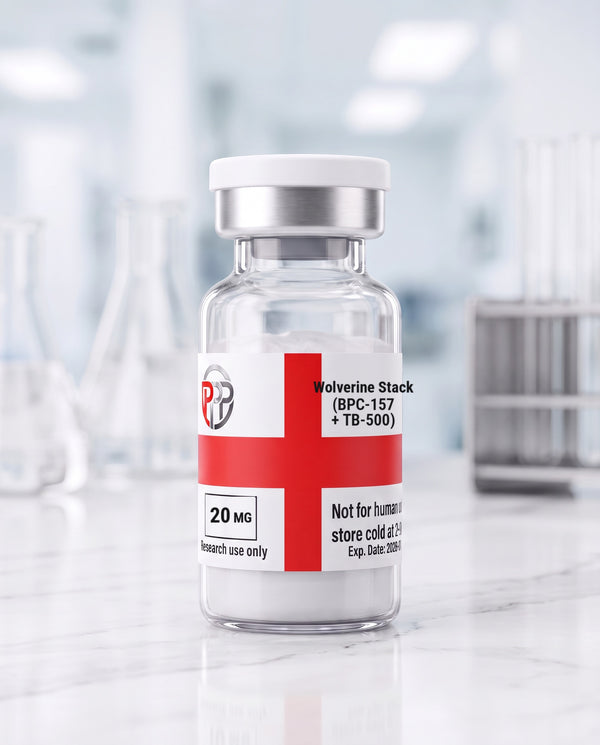
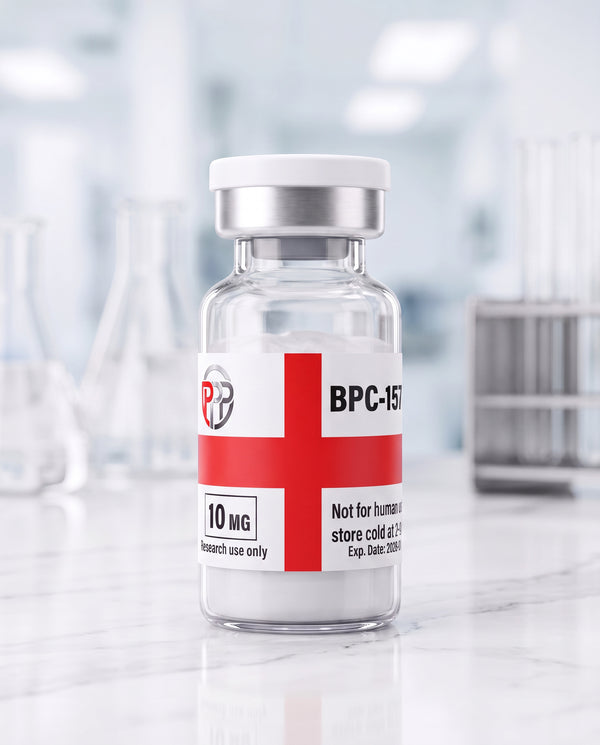
- BPC-157 10mg: a synthetic peptide derived from a gastric protein sequence. It has been studied in animal models of tendon, ligament, muscle and gut-lining injury, with research examining its effects on angiogenesis and cell migration.
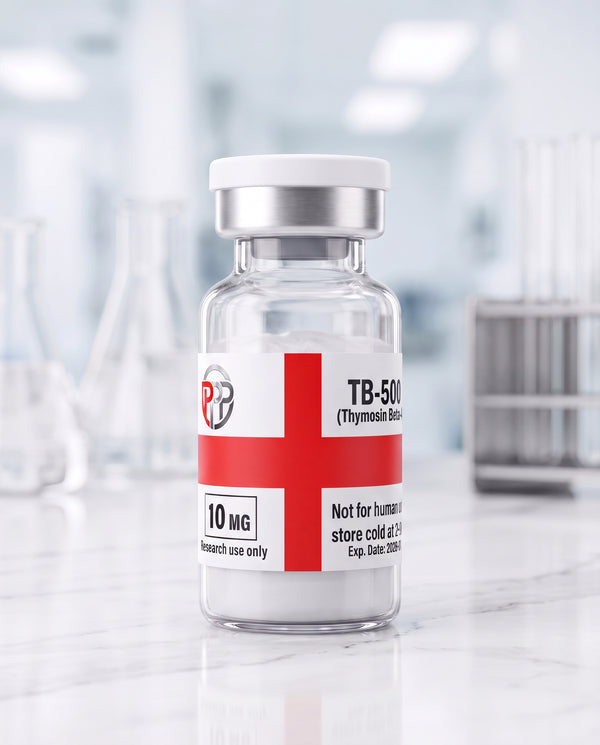
- TB-500 (Thymosin Beta-4) 10mg: a synthetic fragment related to thymosin beta-4, an actin-binding protein. Research has examined its role in cell migration, new blood vessel formation and tissue remodelling in preclinical wound and muscle-injury models.
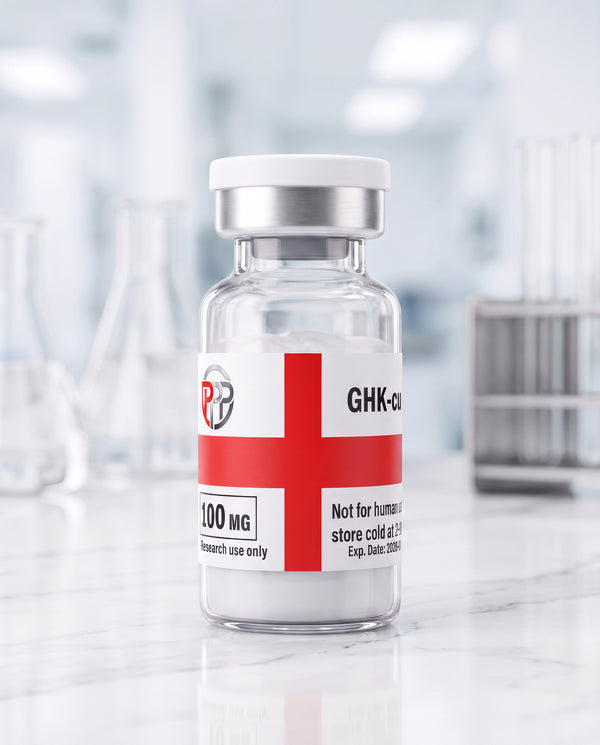
- GHK-Cu 100mg: a naturally occurring copper-binding tripeptide. Laboratory and animal studies have examined its effects on collagen synthesis, skin remodelling and the regulation of genes involved in tissue repair.
For research use only. Not for human or veterinary use. These products are not intended to diagnose, treat, cure or prevent any disease. Statements on this page describe published research and have not been evaluated by Health Canada or the FDA.