Wellness Systems
What "wellness systems" means in research
In laboratory research, wellness systems refers to the study of how cells and tissues maintain healthy function over time, and what changes as they age. Researchers examine areas such as:
- mitochondrial function and cellular energy
- oxidative stress and antioxidant pathways
- age-related changes in gene expression
- hormonal signalling that declines with age
The peptides below have been examined in longevity and cellular-health research.
Peptides studied in longevity and cellular-health research
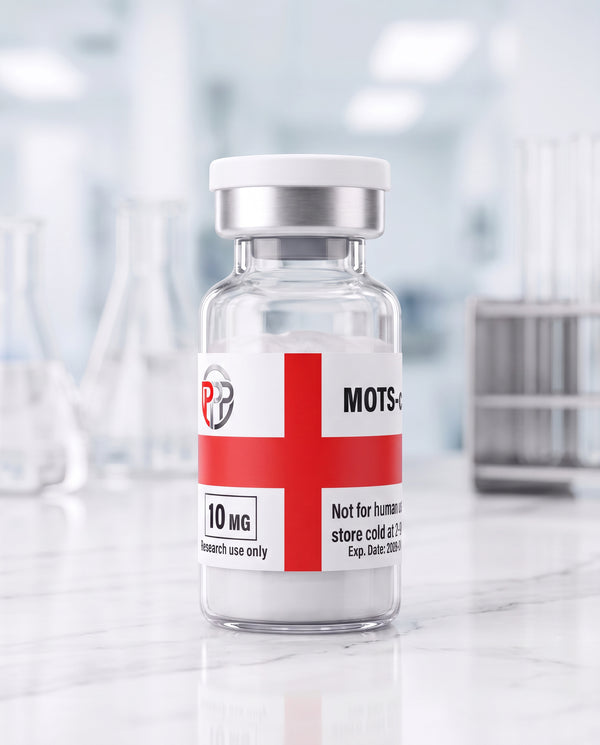
- MOTS-c 10mg: a peptide encoded in mitochondrial DNA. It has been studied in cell and animal models for its role in metabolic regulation, insulin sensitivity pathways and mitochondrial function.
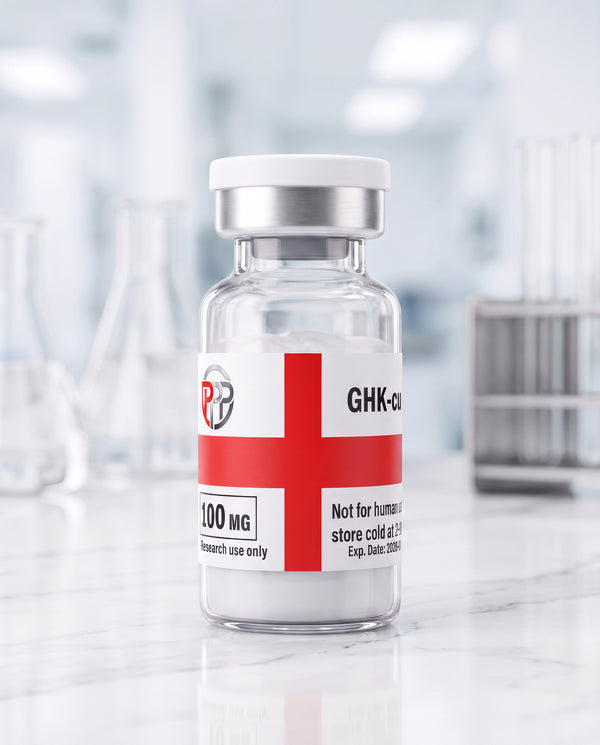
- GHK-Cu 100mg: a naturally occurring copper-binding tripeptide whose levels decline with age. Laboratory studies have examined its effects on gene expression, antioxidant pathways and tissue remodelling.
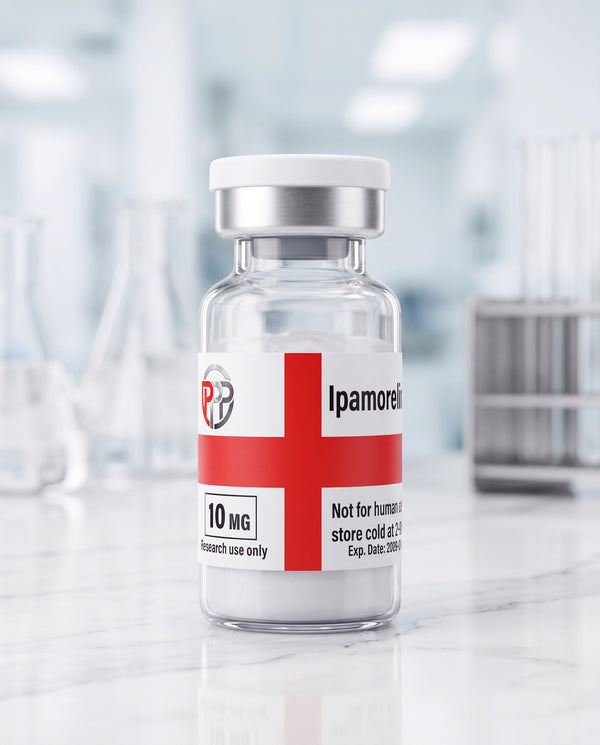
- Ipamorelin 10mg: a synthetic, selective ghrelin-receptor agonist. Research has examined its effects on growth hormone release and downstream metabolic signalling in animal models.
For research use only. Not for human or veterinary use. These products are not intended to diagnose, treat, cure or prevent any disease. Statements on this page describe published research and have not been evaluated by Health Canada or the FDA.